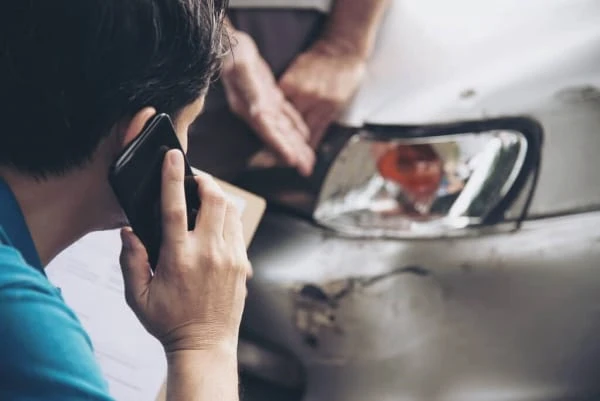
Getting Your Car Fixed Without Getting Screwed
Your car's wrecked. Insurance gives you an estimate. Shop says they can start tomorrow. Sounds good, right? Except I've seen people drive away with mismatched paint, bent frames, and electrical gremlins that show up three months later. All because they took the first number they saw.
Here's how to actually handle this.
Why estimates matter more than you think
A bad fix isn't just cosmetic. Misaligned wheels wear tires fast. Cracked frame you can't see? Car handles weird, then fails inspection. Cheap brake parts stop working when you actually need them. And if the estimate misses something now, insurance can deny it later—"not related to the accident."
This is safety and money. Don't rush it.
Getting it right
First: photos. Every angle, inside and out. Dents, scratches, broken glass, deployed airbags, cracked trim. I've had shops claim damage "wasn't there" when the car arrived. Photos shut that down. Back them up. Send them to every shop you talk to.
Pick your own shop. Insurance has "preferred" ones—meaning shops that agree to keep costs down for steady volume. Convenient, maybe. But they're incentivized to use cheap parts, skip small fixes, rush the job. You can go anywhere. Ask friends, check reviews, find someone who knows your car. Especially if it's newer or anything European.
Get multiple estimates. Pain in the ass, I know—dropping the car, waiting, picking it up. Do it anyway. One shop says $1,800, another says $3,400? That's information. Ask the cheap one what's missing. Ask the expensive one why theirs is higher. You're not hunting for the lowest number. You're finding who's being honest about what needs fixing.
Reading the actual estimate
Don't just look at the bottom line. Every estimate should break down:
Specific parts being replaced or repaired
New, used, or aftermarket for each
Labor hours and rate
Additional costs—towing, storage, paint blending, alignment
Vague line items are red flags. "Body work—$900" means nothing. Ask: "What specifically? Which panels? Repair or replace?" Clarity now prevents fights later.
The parts game
New OEM: from your car's manufacturer. Expensive, fits right, lasts.
Used: cheaper, unknown history, might fit weird.
Aftermarket: third-party. Some good, most mediocre, occasional garbage. Insurance loves these.
You can push back. Policy language matters—some cover new parts for newer cars. Even if not, you can argue. "You're putting a used bumper on a car with 8,000 miles?" Sometimes they fold.
Labor rates
Varies by region. $80-120 in some places, $150+ in cities. Way higher or lower deserves questions. $200 might be a specialty shop. $50 is cutting corners somewhere.
When the estimate is wrong
Too low, missing obvious damage, pushing junk parts? Gather your evidence—photos, other estimates, mechanic notes explaining what's actually needed. Call the adjuster. "I have two other shops including frame alignment in their estimates. Yours doesn't. Why?" Stay calm, stay factual. They brush you off, push harder.
Independent appraisal is an option. Most policies allow it. Neutral mechanic writes their own estimate. Can override insurance's number entirely. I've seen $1,200 estimates become $2,800 after this.
When things get complicated
Hidden damage found mid-repair
Common. Mechanic pulls the bumper, finds frame cracks. Or electrical issues surface. Tell them stop, document everything, notify insurance immediately. Key is linking it to the crash—mechanic's note stating "damage consistent with front-end impact," photos, repair sequence records. Insurance will claim it's "unrelated." Proof beats that.
Insurance says your estimate is too high
Ask for their breakdown. What specifically is overpriced? Parts? Labor? Then show your competing estimates, your documentation. "We think it's too high" isn't an answer. Push until they explain or relent.
Total loss
Repair cost hits 70-80% of value, they total it. Insurance offers "fair market value." Don't take the first number. Check Kelley Blue Book, Edmunds, local listings for comparable cars. Get independent appraisal if you're close to the threshold—sometimes fighting for "repairable" status is worth more than their payout minus salvage.
Questions I actually get
"Do I have to use their shop?"
No. They'll imply it. They'll say their shop is "approved" or "faster." Ignore it. Your car, your choice.
"They want used parts on my new car."
Fight it. Check your policy—"like kind and quality" language helps. New car deserves new parts. Escalate if needed.
"How do I know a shop is good?"
ASE certifications visible. Reviews mentioning thoroughness, not just speed. Willingness to explain the estimate line by line. No pressure for immediate deposits. Written estimates provided without hassle.
The bottom line
Everyone wants this done fast. Insurance wants it cheap. Shops want it in and out. Your job is wanting it done right. That means multiple estimates, reading details, asking annoying questions, and keeping every piece of paper.
Bad repairs haunt you. Good repairs you forget about. Aim for forgettable.
Not legal advice. Policies vary, state laws differ, and your specific situation might need actual professional help. Verify everything, and call a lawyer if insurance is truly fighting you.