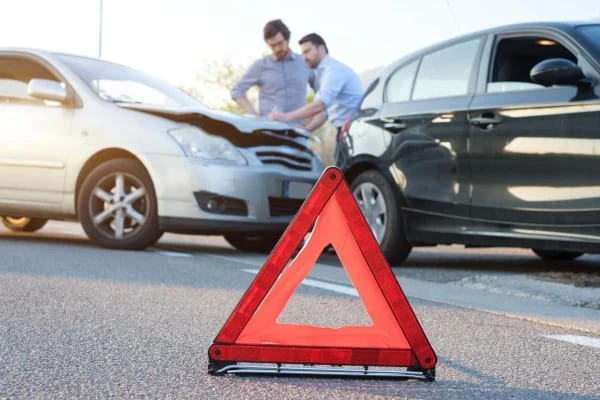
Witnesses: The Thing Everyone Forgets Until It's Too Late
I've watched cases fall apart because my client swore someone saw the whole thing, but never got their number. And I've seen $50,000 cases turn into $150,000 cases because a barista happened to be looking out the window. Witnesses matter. But you have to handle them right, which almost nobody does.
Why they actually help
After a crash, you've got two stories: yours and theirs. Both are garbage to an insurance adjuster. You're shaken up, probably hurt, maybe not thinking straight. The other driver? They're already rehearsing their excuse. Witnesses break that tie. They're neutral. They don't know you, don't owe you, and insurance can't dismiss them as easily as they dismiss you.
I had a case last year—my client T-boned at an intersection, other driver claiming she had the green. Deadlock. Then we found a guy waiting at the bus stop who saw the whole thing. "Silver truck was already through when the light changed." That one sentence saved us six months of fighting. Without him? She's probably eating 50% fault and a crappy settlement.
Getting the statement (do this now, not tomorrow)
First: look around immediately. Bystanders, other drivers who stopped, people in nearby shops, the guy on the corner with the dog. Anyone stationary who was facing the right direction.
Approach them. Be normal. "Excuse me—I just got hit, and I noticed you were here. Would you mind telling me what you saw? It would really help." Don't be desperate. Don't be pushy. They're doing you a favor.
Get their info first. Name, phone, email, where they live or work nearby. I cannot stress this enough. I've had clients get beautiful detailed statements and forget to ask for a phone number. Now we have a statement from "Mike" and no way to find him when the defense wants to depose him. Useless.
Ask open questions. Not "Did you see him run the red?" That's leading, and it taints everything. Try "What did you see happen?" "Where were you standing?" "What caught your attention?" Let them talk. The more they volunteer, the stronger it is.
Record it if they'll let you. Phone audio is fine. Just ask permission first—secret recordings are illegal in some states and poison everywhere else. If they won't record, write it down word for word. Their exact words, not your summary. "The blue car was flying" is different from "The blue car seemed like it was going fast."
Ask if they'd testify if it came to that. Most say yes. Some say no, which is good to know now. A witness who won't get in a courtroom is still useful for settlement, but limited.
What makes a statement actually useful
Vague doesn't help. "He was going fast" means nothing. "He passed three cars in the block before the intersection, had to be doing 50" means everything. Push for specifics without leading them there.
Get the setup: where they were, what they were doing, what first caught their eye. The crash itself: speeds, positions, signals, reactions. Aftermath: who got out first, what anyone said, how people behaved. Weather, lighting, anything that affected visibility.
The goal is a story that feels complete. Insurance tears apart gaps. "How did they see the color of the light from that angle?" If the witness can explain their vantage point in detail, that question dies.
Using what you got
Give witness info to your insurance immediately. Don't wait for them to ask. If the other driver is already lying about fault, a witness statement shuts that down fast.
When insurance lowballs—and they will—witnesses are leverage. "We're prepared to depose three independent witnesses who contradict your narrative." That changes the math for them.
If it goes to litigation, live testimony beats written statements. Judges and juries trust people they can see and question. So preserve your witnesses. Stay in light touch if the case drags. People move, change numbers, forget they ever saw anything. A witness you can't find is a witness you don't have.
How people screw this up
Waiting. This is the big one. A day later, details blur. A week later, they remember the gist, not the specifics. A month later, "Yeah, I think I saw something?" Get them immediately or lose them.
Leading questions. I get it—you want them to say the other guy was at fault. But "You saw him run that red, right?" contaminates the whole statement. Now they're not a neutral witness; they're your echo. Defense will rip that apart.
No contact info. Seriously. Write it down. Type it in your phone. Take a photo of their business card if they have one. "I'll remember" means "I won't."
Bad witnesses. Someone clearly drunk, obviously distracted, or with their own agenda? Pass. A shaky witness hurts more than no witness. And never, ever edit what they said. Changing one word to make it stronger makes the whole thing garbage. Keep it real or keep it out.
Questions I actually get
"Nobody stopped. Now what?"
Not fatal. Photos, police report, physical evidence, expert reconstruction if the case justifies the cost. Harder, slower, more expensive, but doable. Call a lawyer sooner rather than later if fault is disputed and you're flying blind.
"My witness changed their story."
Happens. Memories are garbage, honestly. Get the update in writing, date it, explain the change. Consistency matters less than credibility—someone who corrects themselves reads more honest than someone who sticks to a wrong story.
"Other driver admitted fault at the scene. Do I still need witnesses?"
Yes. Admissions evaporate. "I didn't say that," or "I was shaken up, I didn't know what I was saying," or their insurance simply ignores it. A witness who heard the admission? That's locked in.
"Someone posted about it on Facebook?"
Screenshot everything. Date, time, their exact words, their profile info. Social media gets deleted. Do it now. It's admissible, it's timestamped, it's often more candid than a formal statement. Gold, if you move fast.
Bottom line
Witnesses are the difference between "he said, she said" and "here's what actually happened." But they disappear. Memories fade. People move on. You have a narrow window to lock this down, and most people miss it because they're shaken, or polite, or assume the police will handle it.
The police might take statements. They might not. They have other priorities. This is your case. Your injury. Your money. Handle it yourself, immediately, or hire someone who will.
Not legal advice. Just what I've learned watching cases win and lose on whether someone got a phone number from a stranger on the sidewalk. Talk to a lawyer in your state for your situation.