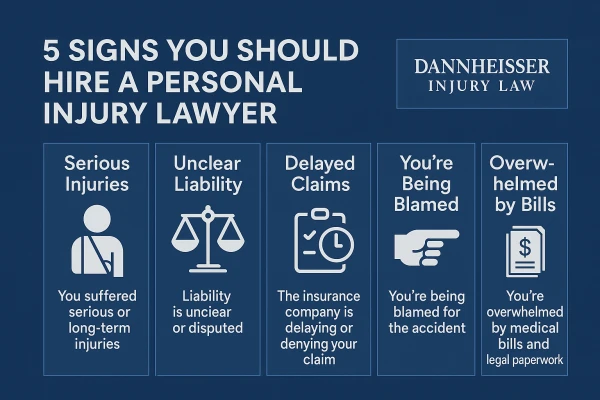
If you’ve been injured due to someone else’s negligence, you may be hesitant to seek legal help—either because you’re unsure if a lawyer can help your case, or because you’re worried about the cost. Two of the most common questions injury victims ask are: What is a free consultation personal injury lawyer session, and what if I can’t afford a personal injury lawyer? As a legal professional who helps everyday people navigate personal injury claims, I’ll answer these questions clearly, using simple language for U.S. readers, to help you understand your options and get the legal support you need—without added financial stress.
1. Free Consultation Personal Injury Lawyer: What It Is and Why It Matters
A free consultation personal injury lawyer session is a no-obligation meeting (in-person, over the phone, or online) where you can discuss your personal injury case with a lawyer, ask questions, and learn whether you have a valid claim—all without paying a dime. These consultations are a critical resource for injury victims, and understanding how to use them can help you make informed decisions about your case.
What Happens During a Free Consultation
During a free consultation, the lawyer will listen to your account of the accident, ask questions about your injuries, medical treatment, and damages, and review any evidence you have (e.g., photos, medical records, police reports). They will then explain whether you have a valid personal injury claim, what compensation you may be entitled to, and how they can help you pursue it. You’ll also have the chance to ask questions about their experience, fee structure, and the timeline of your case.
Why You Should Always Take Advantage of Free Consultations
Free consultations are risk-free—you don’t have to hire the lawyer after the session, and you won’t be charged for their time. They allow you to: Evaluate whether the lawyer is a good fit (do you feel comfortable with them? Do they have experience with your type of case?). Get a clear understanding of your legal rights and options. Learn the potential value of your claim (so you don’t accept a low settlement from an insurance company). Avoid mistakes that could hurt your claim (e.g., missing deadlines or saying the wrong thing to an insurance adjuster).
Questions to Ask During a Free Consultation
To make the most of your free consultation personal injury lawyer session, come prepared with these questions: How many personal injury cases like mine have you handled? What is your success rate (e.g., settlements or court wins)? What is your fee structure (most use contingency fees—ask for details)? How long will my case take? What steps do I need to take next to protect my claim? Will you handle all communication with the insurance company?
2. What If I Can’t Afford a Personal Injury Lawyer? Your Options
Many injury victims worry, “What if I can’t afford a personal injury lawyer?” The good news is that you have several options to get legal representation without upfront costs—personal injury law is designed to be accessible to everyone, regardless of financial situation.
Contingency Fee Agreements (Most Common Option)
Nearly all personal injury lawyers work on a contingency fee basis, which means you don’t pay anything upfront. The lawyer only gets paid if you win your case—usually 33% to 40% of your settlement or court award. If you don’t win, you owe the lawyer nothing (though you may be responsible for small out-of-pocket costs like medical record fees, which you can discuss during your free consultation).
Pro Bono Legal Services
Some lawyers and legal organizations offer pro bono (free) services to low-income individuals with strong personal injury claims. Pro bono lawyers take cases for free because they want to help those who can’t afford legal representation. You can find pro bono services through your local bar association, legal aid societies, or nonprofit organizations that focus on personal injury or consumer rights.
Legal Aid Organizations
Legal aid organizations provide free or low-cost legal help to low-income individuals. They often have lawyers who specialize in personal injury law and can help you with your claim, from filing paperwork to negotiating with insurance companies. To qualify, you’ll need to meet income guidelines (which vary by state and organization).
Payment Plans
While less common for personal injury cases, some lawyers offer payment plans for clients who can’t afford upfront fees. These plans allow you to pay the lawyer in installments, making legal representation more manageable. Be sure to ask about payment plans during your free consultation if you’re concerned about costs.
3. Mistakes to Avoid When You Can’t Afford a Personal Injury Lawyer
When you’re worried about affording a lawyer, it’s easy to make mistakes that hurt your claim. Avoid these common errors:
Skipping a lawyer altogether: Trying to handle your claim alone can lead to accepting a low settlement or having your claim denied. Even if you can’t afford upfront fees, contingency fee lawyers make representation accessible. Accepting the first settlement offer: Insurance companies know when you’re unrepresented and will offer less than you deserve. A lawyer can negotiate for a fair settlement. Failing to ask about fees during the free consultation: Be upfront about your financial concerns—lawyers can explain your options and help you find a solution. Waiting too long to seek help: Missing deadlines (like the statute of limitations) can cost you your right to compensation. A free consultation can help you understand timelines and next steps.
4. How to Prepare for Your Free Consultation
To get the most out of your free consultation personal injury lawyer session, take these steps to prepare:
Gather key evidence: Bring copies of medical records, photos of your injuries or the accident scene, police reports, and any correspondence with the insurance company. Write down details of the accident: Note the date, time, location, and what happened (including witness information). List your damages: Keep track of medical bills, lost wages, and other out-of-pocket costs related to your injury. Prepare questions: Write down the questions you have about your case, the lawyer’s experience, and fees.
Frequently Asked Questions (FAQ)
Q1: Are free consultation personal injury lawyer sessions really free? A1: Yes—most personal injury lawyers offer free consultations with no obligation to hire them. You won’t be charged for the lawyer’s time, even if you decide not to work with them.
Q2: If I can’t afford a personal injury lawyer, will I get less compensation? A2: No—if you hire a contingency fee lawyer, they have an incentive to get you the maximum compensation possible (since their fee depends on your success). In fact, unrepresented victims often get less than those with legal representation.
Q3: How do I find a pro bono personal injury lawyer? A3: Contact your local bar association, legal aid society, or nonprofit organizations like Legal Services Corporation (LSC) to find pro bono lawyers in your area. You can also ask during your free consultation if the lawyer offers pro bono services.
Q4: What if I don’t qualify for legal aid or pro bono services? A4: Contingency fee agreements are still your best option—you don’t pay upfront, and you only pay if you win. Most personal injury lawyers work on contingency, so you can still get quality legal representation.
Conclusion
A free consultation personal injury lawyer session is a valuable tool for injury victims, allowing you to get legal advice without financial risk. And if you’re worried about “what if I can’t afford a personal injury lawyer,” remember that contingency fees, pro bono services, and legal aid make representation accessible to everyone. By taking advantage of free consultations, understanding your options for affordable legal help, and avoiding common mistakes, you can protect your rights and pursue the fair compensation you deserve for your injuries and losses.
Disclaimer
This article is for informational purposes only and does not constitute legal advice. Every personal injury case is unique, and the outcome depends on specific facts and circumstances. For personalized guidance on your personal injury claim, consult a licensed attorney in your state who specializes in personal injury law.