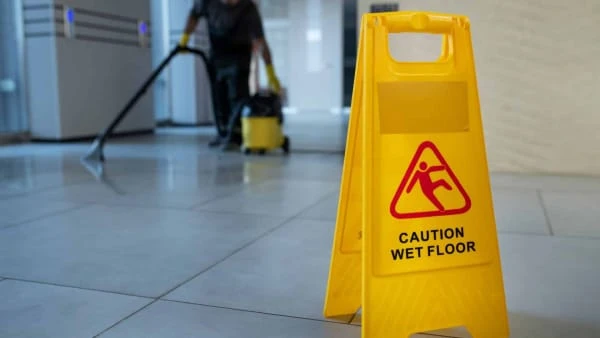
<span style="font-size: 16px;">Slip and Fall Scenarios: Where You Fall, Who Pays, and What Makes It Tricky</span>
Slip and falls can happen anywhere. But some places are more trouble than others. And where it happened—plus why you were there—decides who's responsible and how hard it's going to be to get paid.
Let's walk through the most common spots: grocery stores, restaurants, apartment buildings, sidewalks, parking lots. I'll break down what usually goes wrong and who ends up on the hook.
<span style="font-size: 16px;">1. Commercial Properties: Stores, Restaurants, Hotels</span>
These places get a lot of foot traffic. More people means more messes, more wear and tear, and more accidents.
Grocery stores
Spills are constant—produce, milk, cleaning solutions. Aisles get cluttered. The store's job is to keep an eye on things, clean up fast, and put out warning signs when needed. If they don't, and you wipe out, they're likely responsible.
Restaurants
Floors get wet from spills, mopping, or kitchen runoff. Servers and managers are supposed to spot hazards and deal with them right away. Sometimes the problem comes from a delivery driver or another vendor—if they caused the mess and didn't fix it, they might share the blame.
Retail stores
Think loose rugs, merchandise spilling into walkways, uneven floors. Store owners have to keep the shopping areas safe. If they ignore a tripping hazard and a customer falls, that's on them.
<span style="font-size: 16px;">2. Residential and Public Property: Apartments, Sidewalks, Parking Lots</span>
These spaces have their own rules. Who owns the property and what you were doing there matters a lot.
Apartment complexes
The landlord or property manager is in charge of common areas—hallways, stairs, parking lots, walkways. Ice that never got salted, a broken handrail, standing water in the parking lot—if they knew or should have known about it and did nothing, they can be held liable.
Sidewalks
Who's responsible for a sidewalk depends. Sometimes it's the city, sometimes it's the property owner next to it. Cracked, uneven, or icy sidewalks cause a lot of falls. But suing the government is different from suing a private owner—deadlines are shorter, and governments often have special protections.
Parking lots
Potholes, poor lighting, standing water, uneven pavement. Whether it's a store parking lot or an apartment lot, the owner has to keep it safe, especially when weather makes things worse. The big question is whether they knew about the problem—or should have known—and didn't fix it.
<span style="font-size: 16px;">3. What Makes These Cases Hard</span>
One of the biggest headaches in slip and fall cases is proving the property owner was careless. Insurance companies love to argue things like:
"You weren't watching where you were going."
"The hazard was obvious. Anyone would have seen it."
They'll try to shift the blame onto you. That's why evidence matters. Photos of the hazard right after it happened. Witnesses who saw the condition of the property. Medical records that tie your injury directly to the fall.
And don't forget the clock. Most states give you 1 to 3 years to file a lawsuit. But some public property claims have deadlines as short as 6 months. Miss the window, and you're out of luck no matter how strong your case is.
Bottom Line
Whether you fell in a grocery store, an apartment parking lot, or on a city sidewalk, the rules change. But the basics stay the same: someone had a duty to keep the place safe, they didn't, and you got hurt because of it.
Good evidence and knowing the deadlines make all the difference. If the injury is serious or the insurance company is giving you the runaround, getting a lawyer who handles this stuff is usually worth it.
This is for informational purposes only and isn't legal advice. Every case is different. If you've been hurt, talk to a licensed attorney in your state who handles slip and fall cases.