<span style="font-size: 16px;">Slip and Fall: How It Actually Works</span><span style="font-size: 14px;"></span>
You fell. Grocery store, hotel lobby, parking lot. Now you're hurt and bills are coming. Unlike workers' comp, these cases require proof someone screwed up. Here's what that means in practice.
<span style="font-size: 16px;">What liability actually means</span>
Property owners owe you a safe environment. But you have to prove they failed.
Three things: they owed you care based on why you were there; they knew or should have known about the hazard and didn't fix or warn; that failure caused your injury.
Where you fell changes everything. Grocery store? Straightforward. City sidewalk? Different rules, shorter deadlines, immunity protections. First step is figuring out who you're actually dealing with.
<span style="font-size: 16px;">What you actually do</span>
Get medical help immediately. Adrenaline lies. No records, no case.
Document obsessively. Photos of hazard, lighting, missing signs. Witness names and numbers. People forget; your phone doesn't.
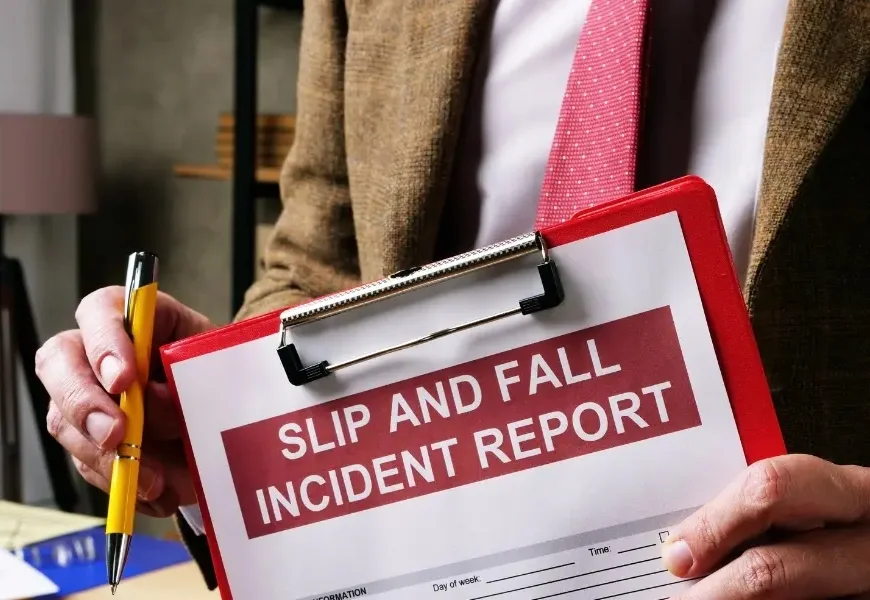
Report it. Tell whoever's in charge. Get an accident report. Keep your statement simple—what, where, when. Don't apologize. Don't say "I wasn't looking."
Then file with their insurance. They investigate, negotiate, offer or deny. Fair offer, you settle. Lowball or denial, you escalate.
<span style="font-size: 16px;">What you can actually get</span>
Medical bills—all of it. Lost wages, future earning loss if you can't return to same work. Pain and suffering, harder to pin down but real. Emotional distress. Property damage.
No average exists. Minor injuries, clear fault, good documentation? Maybe $5,000-15,000. Moderate—broken bones, surgery? $25,000-75,000. Severe—brain injury, permanent disability? Six or seven figures. Depends on injury, fault clarity, documentation.
<span style="font-size: 16px;">What I've learned watching these cases</span>
Don't wait to see a doctor. Gaps become "proof" you weren't hurt.
Don't take the first offer. It's a test. They want to see if you'll go away cheap.
Serious injury or hardball insurance? Lawyer usually pays for themselves. Most work contingency—nothing upfront, percentage of what they win.
Slip and fall claims are proving someone failed, documenting everything, being patient through negotiation. Understand who's responsible, what steps to take, what you're entitled to—you're ahead of most.
Not sure if you have something? Most lawyers offer free consultations. Worth knowing either way.
Not legal advice. Every case differs. Call a licensed attorney in your state.