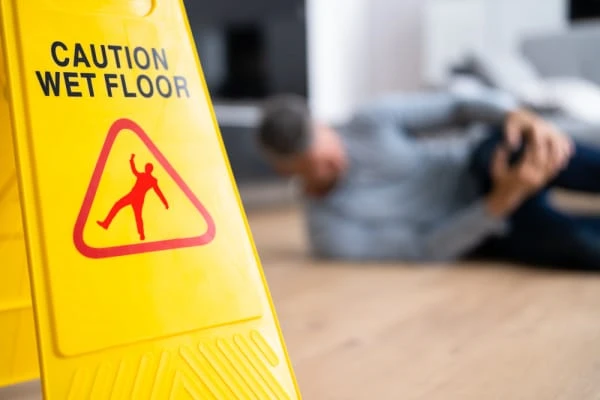
Slip and fall accidents can occur in nearly any location, but certain places are more high-risk than others. Each scenario presents unique liability challenges, as property owners have different duties of care depending on the type of property and the purpose of your visit. This guide explores the most common slip and fall scenarios, from retail stores to apartment complexes, and explains how liability is determined in each case—all while highlighting key considerations for slip and fall cases.
<span style="font-size: 16px;">1. Commercial Property Slip and Fall Claims</span>
Commercial properties (retail stores, grocery stores, restaurants, hotels) see a high volume of foot traffic, making them common sites for slip and fall accidents. Here are key scenarios and liability considerations:
- Grocery Store Slip and Fall Claim: Grocery stores are prone to spills (produce, dairy, liquids) and cluttered aisles. Stores have a duty to regularly inspect and clean these areas, post warning signs, and address hazards promptly. If a store fails to do so, they may be liable for your injuries.
- Restaurant Slip and Fall Injury: Restaurants often have wet floors from spills, cleaning, or food preparation. Servers, managers, and cleaning staff must monitor for hazards and take immediate action to prevent falls. Liability may also extend to third-party vendors (e.g., food delivery services) if their actions caused the hazard.
- Retail Store Slip and Fall Liability: Retail stores may have hazards like loose carpeting, cluttered merchandise displays, or uneven flooring. Store owners must maintain safe walkways and warn customers of potential dangers. If a customer slips due to a preventable hazard, the store may be held liable.
<span style="font-size: 16px;">2. Residential and Public Property Slip and Fall Cases</span>
Slip and fall accidents aren’t limited to commercial properties—they also occur in residential settings and public spaces, with unique liability rules:
- Apartment Complex Slip and Fall Injury: Apartment owners and property managers are responsible for maintaining common areas (hallways, stairwells, parking lots, sidewalks). Hazards like icy walkways, broken handrails, or积水 can lead to liability if the owner failed to address them.
- Sidewalk Slip and Fall Lawsuit: Sidewalks are often maintained by cities, towns, or property owners (if the sidewalk is adjacent to private property). If a sidewalk is cracked, uneven, or icy, the responsible party may be liable for injuries. Proving liability in public property cases can be more complex, as governments often have immunity protections.
- Parking Lot Slip and Fall Claim: Parking lots (commercial or residential) can have hazards like potholes, standing water, or uneven surfaces. Property owners must maintain these areas to prevent falls, especially during inclement weather. Liability may depend on whether the owner knew (or should have known) about the hazard.
<span style="font-size: 16px;">3. Liability Challenges in Slip and Fall Cases</span>
One of the biggest challenges in slip and fall cases is proving negligence. Insurance companies often argue that the injured person was at fault (e.g., “you weren’t paying attention”) or that the hazard was obvious. To overcome these challenges, you need strong evidence, including photos of the hazard, witness statements, and medical records linking your injury to the fall.
Another challenge is the slip and fall statute of limitations: most states require you to file a claim within 1–3 years of the accident. Missing this deadline can result in losing your right to compensation entirely. An experienced slip and fall lawyer can help you navigate these challenges and build a strong case.
Whether your slip and fall occurred in a grocery store, apartment complex, or public sidewalk, understanding the unique liability rules for each scenario is critical. With the right evidence and legal support, you can hold the responsible party accountable and recover the compensation you deserve.