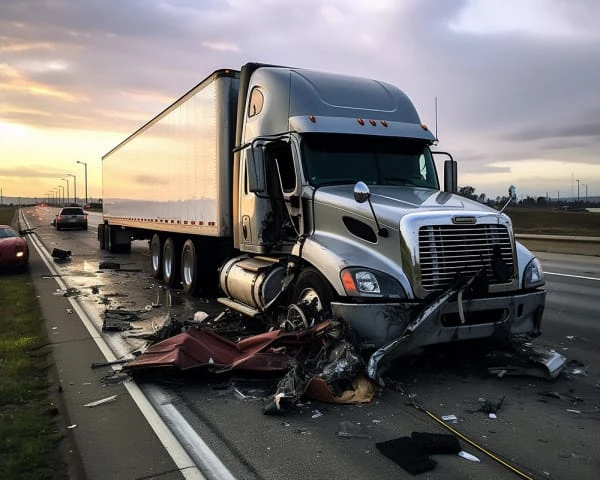
Truck accidents, motorcycle crashes, and injuries caused by unsafe property conditions are some of the most common personal injury cases—and they often leave victims feeling overwhelmed and unsure of their rights. If you’ve been injured in a truck accident, motorcycle crash, or due to a property hazard, you may be asking: Do I need a truck accident injury lawyer? How do I file a motorcycle accident claim? And what is premises liability? As a legal professional who helps injury victims navigate these complex cases, I’ll answer these questions clearly, using simple language for U.S. readers, to help you understand your options and pursue the compensation you deserve.
1. Truck Accident Injury Lawyer: When You Need One and How to Choose
Truck accidents are often more severe than car accidents—due to the size and weight of trucks—and they involve unique legal complexities. Knowing when to hire a truck accident injury lawyer and how to choose the right one can make a huge difference in your claim.
When You Need a Truck Accident Injury Lawyer
You should hire a truck accident injury lawyer if: Your injuries are severe (e.g., traumatic brain injury, spinal cord damage, or permanent disability). The accident involved multiple parties (e.g., truck driver, trucking company, or cargo loader). The trucking company is denying liability or trying to shift blame. The insurance company is offering a low settlement or denying your claim. You need help gathering evidence (e.g., truck black box data, driver logs, or maintenance records).
How to Choose the Right Truck Accident Injury Lawyer
Look for a lawyer who specializes in truck accident cases (not just general personal injury). Ask about their experience with truck accident claims, their success rate, and whether they have handled cases similar to yours. Also, ensure they understand federal trucking regulations (e.g., hours of service rules) and can hold trucking companies accountable for negligence.
2. Motorcycle Accident Claim Guide: Step-by-Step Process
Motorcycle riders are more vulnerable to serious injuries in accidents, and filing a motorcycle accident claim can be complicated. This motorcycle accident claim guide breaks down the key steps to help you pursue compensation:
Step 1: Prioritize Medical Care
Seek emergency medical help immediately after the accident—even if your injuries seem minor. Motorcycle accidents often cause hidden injuries (e.g., internal bleeding or concussions) that require prompt treatment. A medical record is critical to proving your injuries and linking them to the accident.
Step 2: Document the Accident Scene
If you’re able, take photos of the accident scene, your damaged motorcycle, and your injuries. Get the other driver’s contact and insurance information, as well as witness names and contact details. Call the police to file an official accident report—this is key evidence for your claim.
Step 3: File an Insurance Claim
File a claim with the at-fault party’s insurance company (or your own insurance if the other driver is uninsured). Provide the insurance company with your medical records, accident photos, and police report. Be factual when describing the accident—avoid admitting fault.
Step 4: Negotiate or File a Lawsuit
If the insurance company offers a fair settlement, you can resolve your claim out of court. If not, consider hiring a lawyer to negotiate on your behalf or file a lawsuit to get the compensation you’re entitled to.
3. Premises Liability Explained: What It Means for You
Premises liability explained simply: property owners and managers have a legal duty to keep their property safe for visitors. If you’re injured due to a hazard on someone else’s property (e.g., a wet floor, broken stairs, or uneven sidewalk), you may be able to file a premises liability claim.
Who Is Liable Under Premises Liability?
<br>
Liability falls on the property owner or manager if they were negligent—meaning they knew (or should have known) about the hazard and failed to fix it or warn visitors. This applies to private property (e.g., stores, homes, apartments) and public property (e.g., parks, sidewalks, government buildings).
Common Premises Liability Hazards
Examples of hazards that can lead to premises liability claims include: Wet or slippery floors, broken or uneven stairs/sidewalks, inadequate lighting, loose rugs or carpeting, exposed wires, and unmarked hazards (e.g., construction zones).
How to Prove a Premises Liability Claim
To win a premises liability claim, you need to prove: The property owner owed you a duty of care, they breached that duty (negligence), the breach caused your injury, and you suffered damages (medical bills, lost wages, etc.).
4. Common Mistakes to Avoid in These Injury Claims
Whether you’re dealing with a truck accident, motorcycle crash, or premises liability case, avoiding these mistakes can help protect your claim:
Delaying medical treatment: Prompt care is key for your health and your claim. Failing to document evidence: Without photos, witness info, or medical records, it’s hard to prove liability. Admitting fault: Even a casual “I’m sorry” can be used against you. Accepting the first settlement offer: Insurance companies often offer low initial amounts. Not hiring a lawyer when needed: Complex cases (like truck accidents) require legal expertise.
Frequently Asked Questions (FAQ)
Q1: Do I need a truck accident injury lawyer for a minor truck accident? A1: If your injuries are minor and the insurance company offers a fair settlement, you may not need a lawyer. But if there’s any dispute over liability or damages, a lawyer can help protect your rights.
Q2: What damages can I recover from a motorcycle accident claim? A2: You can recover economic damages (medical bills, lost wages, motorcycle repair costs) and non-economic damages (pain and suffering, emotional distress, loss of enjoyment of life).
Q3: Is premises liability only for private property? A3: No—premises liability applies to both private and public property. Government entities (e.g., cities, counties) can be liable for hazards on public property like sidewalks or parks.
Q4: How long do I have to file these types of personal injury claims? A4: The statute of limitations varies by state, typically 1 to 3 years from the date of the accident. File promptly to avoid losing your right to compensation.
Conclusion
Understanding when to hire a truck accident injury lawyer, following this motorcycle accident claim guide, and knowing premises liability explained can help you navigate these complex personal injury cases with confidence. By prioritizing your health, documenting evidence, and avoiding common mistakes, you can protect your rights and pursue fair compensation for your injuries and losses. If you’re unsure about your claim, consulting a qualified personal injury lawyer can provide the guidance you need.
Disclaimer
This article is for informational purposes only and does not constitute legal advice. Every personal injury case is unique, and the outcome depends on specific facts and circumstances. For personalized guidance on your truck accident, motorcycle accident, or premises liability claim, consult a licensed attorney in your state who specializes in personal injury law.