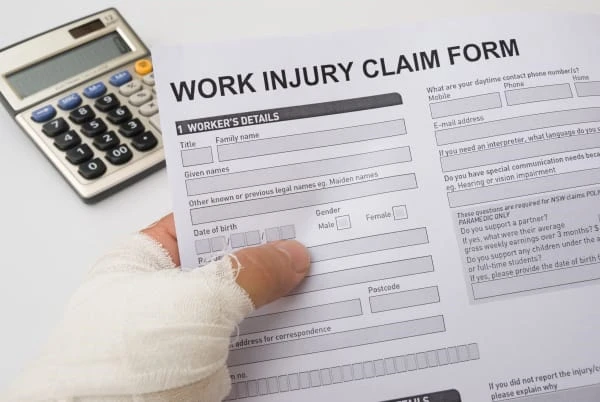
Workers compensation (often called “workers comp”) is a critical safety net for employees who get injured or sick on the job—but many workers have questions about their rights. If you’ve been hurt at work, you might be wondering: What qualifies for workers compensation? Can I be fired while on workers comp? And how long does workers comp last? As a legal professional who helps workers navigate these issues, I’ll break down these key questions clearly, using simple language for U.S. readers, to help you understand your rights and options during a difficult time.
<span style="font-size: 16px;">1. What Qualifies for Workers Compensation: Eligibility Criteria</span>
Not every injury or illness qualifies for workers compensation—there are specific criteria you must meet to receive benefits. Understanding what qualifies for workers compensation is the first step to getting the support you need. Here’s what you need to know:
Employee Status
First, you must be an employee (not an independent contractor). Workers comp is designed for employees, so independent contractors, freelancers, or gig workers typically do not qualify. However, some states have expanded coverage for certain types of workers, so it’s worth checking your state’s rules if you’re unsure about your status.
Work-Related Injury or Illness
The injury or illness must be directly related to your job. This includes injuries that happen while you’re performing work duties (e.g., a construction worker falling from a ladder, a retail employee lifting a heavy box and straining their back) and illnesses caused by workplace conditions (e.g., lung disease from exposure to chemicals, carpal tunnel from repetitive office work). Injuries that happen off the job (e.g., a car accident on your way to work, unless you’re on a work-related errand) usually do not qualify.
Timely Reporting
You must report your injury or illness to your employer promptly—usually within 30 to 90 days (varies by state). Failing to report on time can result in losing your right to workers comp benefits. Even if your injury seems minor, report it immediately to create a record.
Medical Documentation
You need to provide medical proof of your injury or illness, including a diagnosis from a doctor and documentation of how it’s related to your job. Your employer may require you to see a doctor of their choice (depending on state law), but you can usually get a second opinion if needed.
<span style="font-size: 16px;">2. Can I Be Fired While on Workers Comp? Your Rights as an Employee</span>
One of the biggest fears for workers on workers comp is losing their job. The short answer is: employers cannot fire you because you filed a workers comp claim or are on workers comp leave. However, there are exceptions. Here’s a clear breakdown of your rights:
Illegal Retaliation
It is illegal for an employer to fire, demote, or discriminate against you because you filed a workers comp claim. This is considered retaliation, and you have the right to file a complaint with your state’s workers comp agency or even sue your employer for wrongful termination.
Valid Reasons for Termination
Employers can still fire you while you’re on workers comp if they have a valid reason unrelated to your claim. For example, if you were fired for poor performance (issues that existed before your injury), company layoffs, or violating workplace policies (e.g., theft, harassment), the termination is likely legal. The key is whether the firing is a direct response to your workers comp claim.
Protections for Long-Term Absences
If your injury requires a long absence from work, you may also be protected by the Family and Medical Leave Act (FMLA), which allows eligible employees to take up to 12 weeks of unpaid leave for serious health conditions (including work-related injuries). FMLA protects your job during this leave, so your employer cannot fire you for taking FMLA leave.
<span style="font-size: 16px;">3. How Long Does Workers Comp Last? Timelines and Factors</span>
The length of time you receive workers comp benefits depends on several factors, including the severity of your injury, your state’s laws, and whether you can return to work. Here’s what to expect when it comes to how long workers comp lasts:
Temporary Total Disability (TTD) Benefits
If your injury prevents you from working at all while you recover, you’ll receive TTD benefits. The length of these benefits varies by state—some states cap TTD benefits at a certain number of weeks (e.g., 104 weeks), while others base it on the severity of your injury. TTD benefits typically end when you can return to work or when your doctor says you’ve reached “maximum medical improvement” (MMI)—meaning your condition is as good as it will get.
Temporary Partial Disability (TPD) Benefits
If you can return to work but only part-time or at a lower pay (due to your injury), you’ll receive TPD benefits. These benefits last until you can return to your full-time, pre-injury job or reach MMI. TPD benefits are usually a percentage of the difference between your pre-injury wages and your current wages.
Permanent Disability Benefits
If your injury results in a permanent disability (e.g., loss of a limb, chronic pain that prevents you from working), you may receive permanent disability benefits. These benefits can be a one-time lump sum or monthly payments, depending on your state. The length of monthly payments varies—some states pay for life, while others cap the number of years.
<span style="font-size: 16px;">4. Tips for Navigating Your Workers Comp Claim</span>
Navigating a workers comp claim can be confusing, but these tips can help you protect your rights and get the benefits you deserve:
Report your injury promptly: Don’t wait to tell your employer—report it as soon as possible to avoid missing deadlines. Follow your doctor’s treatment plan: This not only helps you recover but also strengthens your claim (insurance companies may deny benefits if you skip treatment). Keep detailed records: Save all medical bills, doctor’s notes, pay stubs (to prove lost wages), and correspondence with your employer or insurance company. Know your state’s laws: Workers comp rules vary by state, so familiarize yourself with your state’s eligibility, timelines, and benefits.
<span style="font-size: 16px;">Frequently Asked Questions (FAQ)</span>
Q1: Do I have to pay for workers comp benefits? A1: No—workers comp is funded by employers, so you do not have to pay any premiums or out-of-pocket costs to receive benefits.
Q2: Can I choose my own doctor for a workers comp claim? A2: It depends on your state. Some states allow you to choose your own doctor, while others require you to see a doctor selected by your employer or the workers comp insurance company (but you can usually get a second opinion).
Q3: What if my employer doesn’t have workers comp insurance? A3: If your employer is required to have workers comp insurance but doesn’t, you can file a claim with your state’s uninsured employers fund. You may also be able to sue your employer for damages.
Q4: Can I work another job while on workers comp? A4: It depends on your state and your injury. If you take another job while receiving TTD benefits (which are for workers who can’t work at all), you may lose your benefits. If you’re on TPD benefits, you may be able to work part-time, but you must report your earnings to the workers comp insurance company.
Conclusion
Understanding what qualifies for workers compensation, whether you can be fired while on workers comp, and how long workers comp lasts is critical to protecting your rights as an injured worker. By meeting the eligibility criteria, knowing your protections against wrongful termination, and understanding benefit timelines, you can navigate the workers comp process with confidence. Remember, if you’re unsure about your claim or facing challenges (e.g., a denied claim, retaliation from your employer), seeking guidance from a qualified professional can help ensure you get the support you need to recover.
Disclaimer
This article is for informational purposes only and does not constitute legal advice. Every workers compensation case is unique, and the outcome depends on specific facts and circumstances. For personalized guidance on your workers comp claim, consult a licensed attorney in your state who specializes in workers compensation law.